

Anna Fiteni on Why Fairies Are So Good at Lying
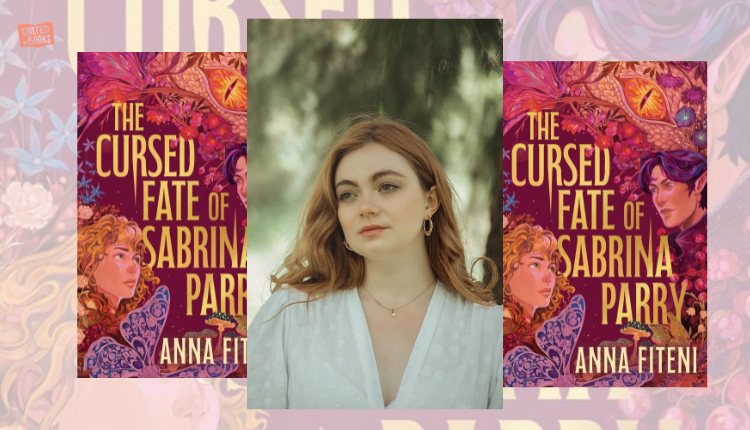
Author of The Wicked Lies of Habren Faire and The Cursed Fate of Sabrina Parry, Anna Fiteni, explores fairy folklore, half-truths and the appeal of magical trickery.

Fairies may be known for their magic, but their relationship with the truth is far more complicated. Drawing on Welsh folklore, childhood stories and the cunning creatures of fantasy literature, Anna Fiteni explores how fairies use lies and half-truths to manipulate those around them, and why these tricks are so much fun to write. Having previously shared the Welsh fae origins behind The Wicked Lies of Habren Faire in our interview, Anna now turns to the darker side of fairy folklore and the inspiration behind her latest stories.
Guest post written by Anna Fiteni.
Like many women my age growing up in the UK, I became interested in the idea of fairies when I was very young. Whether it was the Rainbow Magic books (I got Anna the Arctic Fox Fairy… lame!) or the Flower Fairies illustrations, or the folk tales and mythology about little magical creatures I heard growing up in Wales – I adored them all.
Most of those are, obviously, simplified versions of the myth for children. My first encounter of the idea of fairies as something associated with trickery and lies came from learning about the Cottingley Fairies hoax as a child. In 1917, two cousins took pictures with paper cut outs of fairies and even Arthur Conan Doyle was convinced. The younger girl even insisted until death that while most of the pictures were fake, at least one was real. I suppose the association of fairies with lies and two cunning girls stuck with me. In my books, The Wicked Lies of Habren Faire and The Cursed Fate of Sabrina Parry, the two sisters at the centre of the story have one strength that the fairies (or Tylwyth Teg) lack; they can lie.
It’s a common trope in mythology that fairies of all types are bound to tell the truth –magic in fiction needs a caveat, or it becomes all powerful, unbeatable, and boring – but that doesn’t mean they will always be truthful. As someone who lies for a living, I get that. Having to be honest all the time is probably a nightmare for all of us. I first encountered this idea in The Spiderwick Chronicles. The creatures troubling the young protagonists speak in riddles and half-truths to avoid having to be fully honest, which creates obstacles for the characters and, to me at least, humanises the fairies a bit. Obviously, as a fan of those books, I continued reading Holly Black’s work as I grew up and saw how she expanded on the idea of lies and truth in the immensely popular Folk of the Air series.
In those books, the theme of honesty and deceit gets tied into court politics. I found this particularly appealing when I read the first book as I was about twenty then, and very aware that most people in power are lying all the time – and speaking very cleverly to get away with it. Fairies are a natural fit for any story interrogating themes of deceit, and fantasy is at its best when the genre interrogates reality. I wanted to use these tropes – fairies telling half-truths, vicious palace politics – to mock the often very false and unsettling reality we live in. From hidden advertising to disingenuous leaders to the AI slopapocalypse, it’s often very hard to know what the truth is anymore.
In fiction, fairies are useful for that. They can be beautiful, tricky, smarter and stronger than the average person, and have motivations we can’t fully understand. That also makes them really fun to write. Working out how to have a character keep secrets when they can’t outwardly lie is a challenge. Weirdly, because I started my career writing about fairies, now that I’ve moved on to other topics, I have to remind myself that I can let my characters just lie now, but I often don’t. The half-truth is more interesting; the half-truth tells you what the character wishes was true.
The Cursed of Sabrina Parry by Anna Fiteni is out now (Electric Monkey).
